
Hot Spring Spa Not Heating? A Guide to the No-Fault Heater, Pressure Switch, and Indicator Lights
Posted by HTSS Team on Sep 28th 2026
Hot Spring Spa Not Heating? A Guide to the No-Fault Heater, Pressure Switch, and Indicator Lights
Few things are more frustrating than lifting the cover for an evening soak and finding lukewarm water. The good news for Hot Spring owners is that a spa that will not heat is often telling you exactly what is wrong, through its indicator lights, and many of the most common causes are simple to fix yourself. Hot Spring's heating system is built with several layers of protection, and when one of them shuts the heater off, it is usually protecting the spa from a flow problem you can correct.
This guide explains how the Hot Spring No-Fault heater and its safety devices work, what the most common indicator light patterns mean, and a step-by-step approach to getting your water hot again.
How the Hot Spring Heating System Works
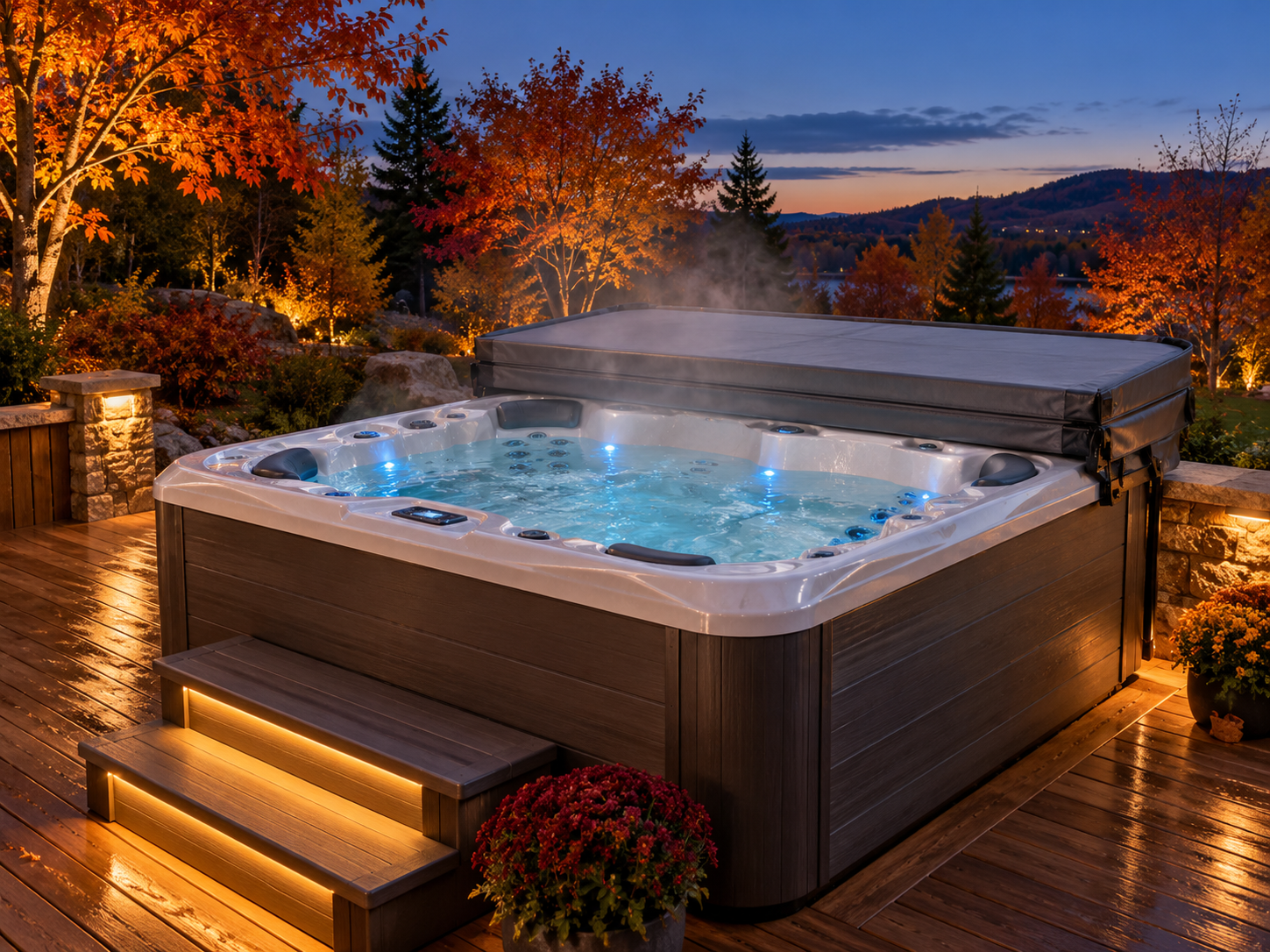
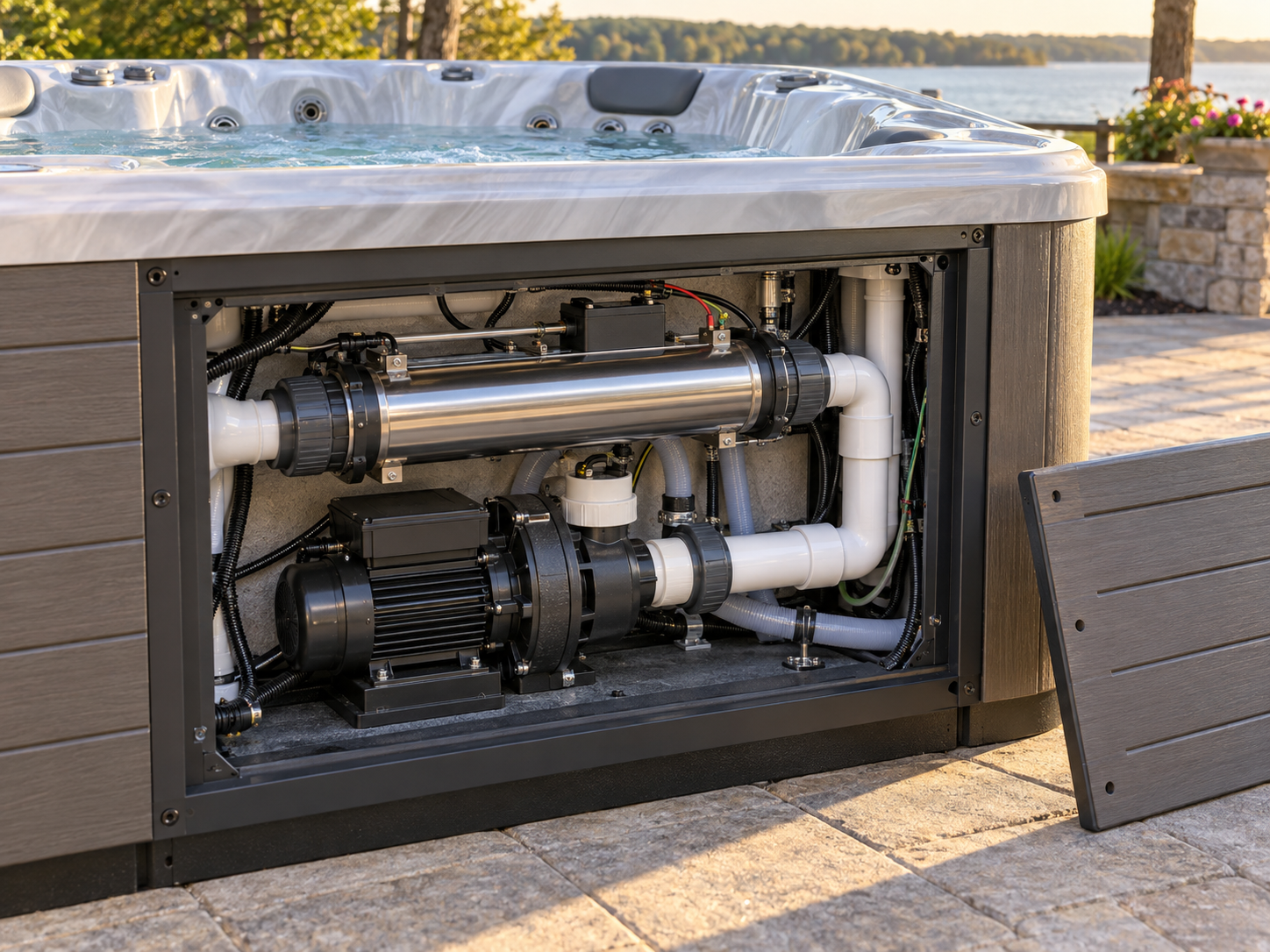
Many Hot Spring spas use the No-Fault heater, a design Watkins Wellness backs with an unconditional warranty for the length of the heater's component warranty. According to Hot Spring's owner's manuals, "unconditional" means the heater is covered even under conditions that would normally void a warranty, such as water chemistry damage, as long as the component has failed to operate properly within the spa's system.
The heater does not work alone. It is protected by two safety devices:
- The high-limit thermostat circuit, which shuts the heater down if water temperature at the heater rises too high.
- The integrated pressure switch, which confirms that water is actually flowing through the heater before it is allowed to heat.
Water reaches the heater through the circulation pump, which on many Hot Spring models is the SilentFlo 5000. It is a dedicated, water-cooled, quiet pump that provides continuous filtration. Because it is water cooled, it has its own thermal cut-off to protect it from running hot without water.
Nearly every "not heating" situation involves one of these protective devices doing its job, which is why flow is the first thing to investigate.
Reading the Indicator Lights
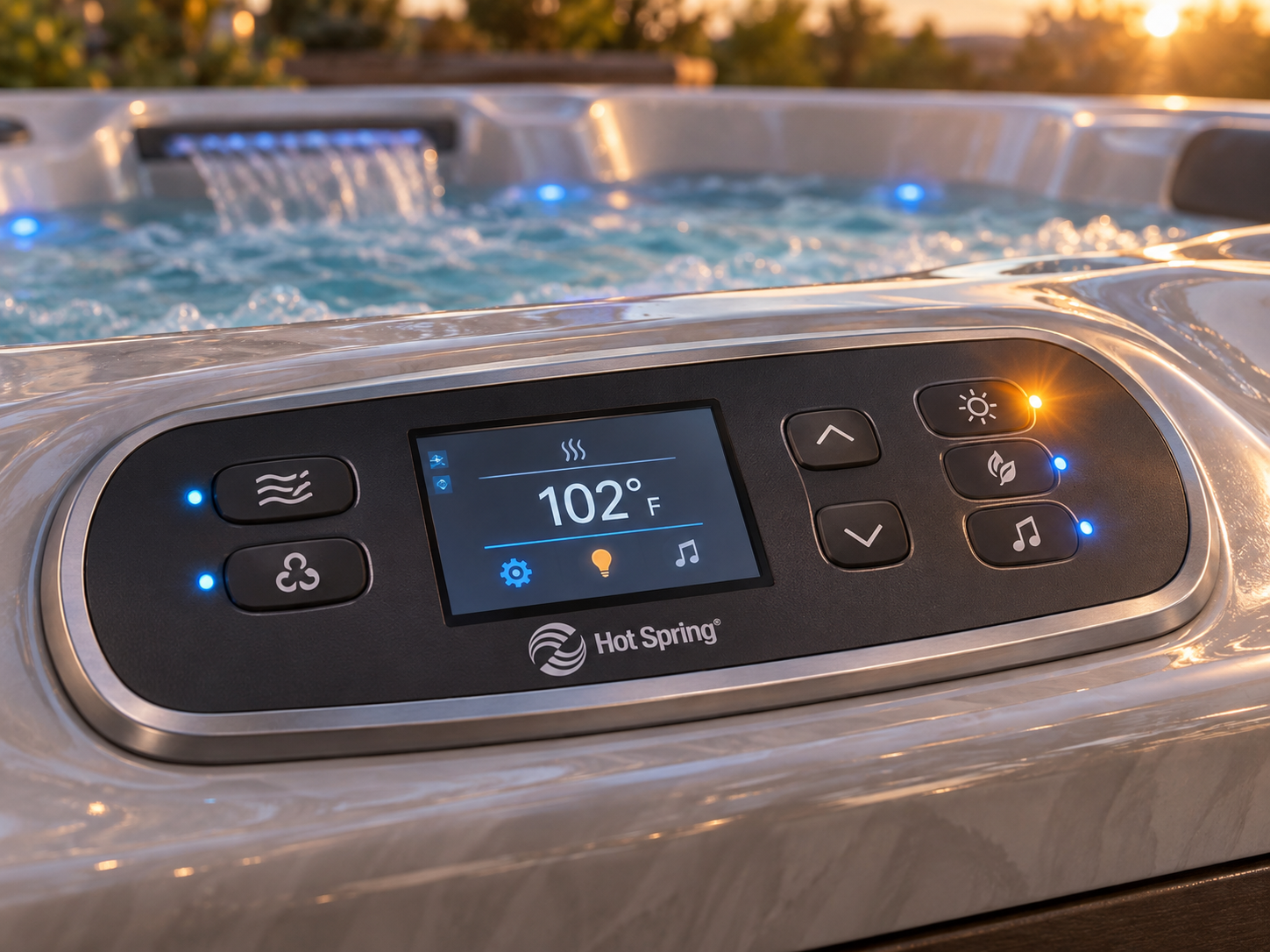
Hot Spring spas use indicator lights to signal problems without making you open the equipment compartment. Exact colors and locations vary by model year and control panel, so confirm with your own owner's manual, but Hot Spring's troubleshooting guidance describes these common patterns:
- Power indicator blinking: The heater's high-limit thermostat has tripped.
- Ready indicator blinking: There may be a problem with the temperature sensor.
- Power and Ready lights blinking, jets and light still working, no heat: The integrated pressure switch is likely open, or the circulation pump's thermal cut-off has tripped.
- No lights at all: The spa is not receiving power, or there is a problem with the control box.
Step-by-Step Troubleshooting
Step 1: Check the Obvious Settings
Confirm the set temperature is actually above the current water temperature, and that the cover is on and seated properly. A cover left partly open on a cold night can outpace the heater. Also make sure no one has activated a spa lock or changed settings.
Step 2: Check Power and the GFCI
If the spa is completely dead, check the GFCI breakers in the spa's subpanel, then the main breaker in your home's panel. If a GFCI has tripped, reset it. Hot Spring's manuals note that a GFCI that will not reset may indicate a ground fault within the electrical components, and a tripped house breaker can point to an overloaded circuit or a ground fault between the panel and the spa. Both situations call for a qualified electrician or authorized service technician, not trial and error.
Step 3: Clean the Filters
A clogged filter is the single most common reason for low flow, and low flow is the most common reason the heater shuts off. Turn off power, remove every filter, rinse them thoroughly, and reinstall. If your filters are old or will not come clean, replace them.
Step 4: Reset the High Limit
If the Power indicator is blinking, the high-limit thermostat has tripped. Hot Spring's manuals explain that turning off power to the spa for 30 seconds automatically resets it. If the spa energizes normally afterward, that indicates the trip was caused by reduced water flow through the heating system. The manuals list the usual causes as:
- Clogged filter cartridges
- Blockage within the system plumbing
- A circulation pump that is not working
- Power left on while the spa was drained
- An air lock in the plumbing lines
Step 5: Look for an Air Lock
Air locks are especially common right after draining and refilling. Trapped air keeps water from moving through the heater, so the pressure switch never closes. Running the jets on high after a refill helps purge air from the system. If the problem persists, your owner's manual describes the procedure for your model, and a technician can bleed the system if needed. Never fill a Hot Spring spa with hot water, or with cold water below 50 degrees F, since Hot Spring notes either can trip the high limit.
Step 6: Check the Circulation Pump
If the circulation pump's thermal cut-off has tripped, Hot Spring's instructions are to disconnect power and let the pump cool, which resets it. The causes are the same flow problems listed above: clogged filters, plumbing blockages, draining with power on, or an air lock. If the cut-off keeps tripping after you have addressed those, call for service.
When the Problem Is a Sensor
If the Ready indicator keeps blinking after you disconnect power for 30 seconds and restore it, the issue may be a temperature sensor. Hot Spring spas use electronic sensors, often called thermistors, for both the control thermostat and the high-limit thermostat. They are connected to the spa's plumbing and wired to the control box.
Parts specialists generally recommend replacing control and high-limit sensors as a matched pair, because the control system compares their readings, and a large mismatch between an old sensor and a new one can put the spa into a fault mode. Sensor replacement involves working inside the control box, so unless you are experienced with spa electrical work, have an authorized technician handle it. Hot Spring's manuals specifically caution never to cut or kink the sensor wires.
Preventing Heating Problems
- Rinse filters regularly and deep clean them at every water change.
- Always turn off power before draining. Hot Spring lists draining with power on as a cause of both high-limit trips and pump cut-off trips.
- Refill with water at a moderate temperature, never hot and not below 50 degrees F.
- Purge air after refilling by running the jets on high until flow is steady and strong.
- Keep the cover in good shape. A waterlogged or poorly sealing cover makes the heater work much harder.
- Keep water chemistry balanced to reduce scale buildup inside the heater and plumbing.
When to Call for Service
Call an authorized technician if a GFCI will not reset, if the high limit or pump cut-off trips repeatedly after you have cleaned filters and purged air, if the Ready indicator keeps blinking after a power reset, or if you notice water leaking from the equipment area. Hot Spring's control boxes contain no user-serviceable parts. And remember that if your spa uses the No-Fault heater and it genuinely fails within its warranty period, that heater is covered unconditionally.
Frequently Asked Questions
Why is my Hot Spring spa not heating but the jets work?
This usually means the integrated pressure switch is open because water is not flowing properly through the heater, or the circulation pump's thermal cut-off has tripped. Clean the filters, check for an air lock, and restore power after letting the pump cool.
How do I reset the high limit on a Hot Spring spa?
Turn off power to the spa for at least 30 seconds, then restore it. This automatically resets the high-limit thermostat. If it trips again, look for a flow problem such as dirty filters or an air lock.
What does a blinking Power light mean on a Hot Spring spa?
On many Hot Spring models, a blinking Power indicator means the heater's high-limit thermostat has tripped. Check your owner's manual, since indicator colors vary by model year.
Is the Hot Spring No-Fault heater really covered no matter what?
Hot Spring's manuals describe the No-Fault heater warranty as unconditional for the duration of its component warranty, which means conditions like water chemistry damage do not void it, provided the heater failed to operate properly within the spa's system. Check your specific warranty terms for your model year.
Should I replace both temperature sensors at once?
Parts specialists generally recommend replacing the control and high-limit sensors together, since the system compares their readings. Sensor replacement involves the control box, so an authorized technician is the safest choice.
A Hot Spring spa that will not heat is usually protecting itself from a flow problem. Clean filters, check for air locks, reset the high limit, and read the indicator lights, and you will solve most heating issues without a service call. When the lights point to a sensor or electrical fault, bring in a technician and let the spa's warranty and safety design do their job.