
How to Buy the Right Replacement Cover for Your Hot Spring Spa
Posted by HTSS Team on Aug 31st 2026
How to Buy the Right Replacement Cover for Your Hot Spring Spa
A hot tub cover that fits perfectly is one of those things you rarely think about until it stops working right. Once a cover starts sagging, absorbing water, or leaving a gap along one edge, your heater starts working overtime and your energy bill quietly climbs. Buying a replacement for a Hot Spring spa is straightforward once you know what actually matters: exact fit, foam density, and construction quality. This guide walks through all three so you can order with confidence the first time.
Why a Generic Cover Does Not Work
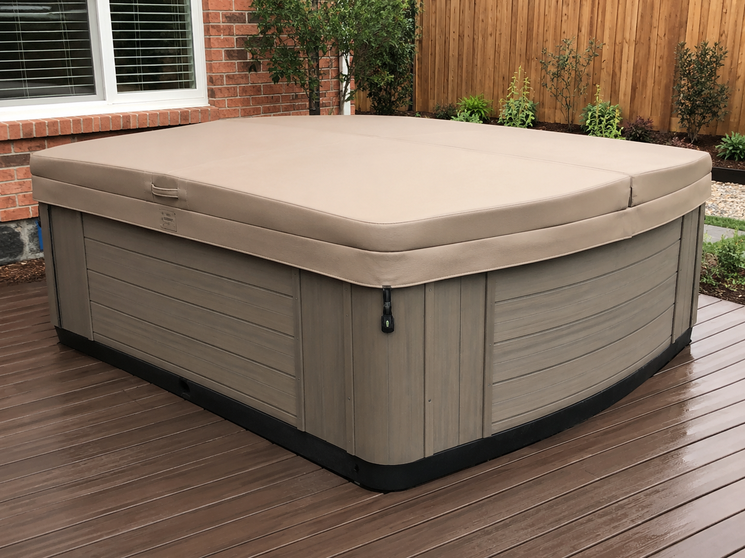
Hot Spring produces multiple collections (Highlife, Limelight, Hot Spot, and others), and the dimensions and corner radiuses are specific to the exact model and year, not just the general shape of your spa. A cover that is only "close enough" leaves gaps along the seams. Those gaps break the vacuum seal that keeps warm air trapped under the cover, and once that seal is broken, your heater has to work harder just to hold temperature. Ordering a cover matched to your specific Hot Spring model and year is the single most important step in this whole process.
Identifying Your Model and Year
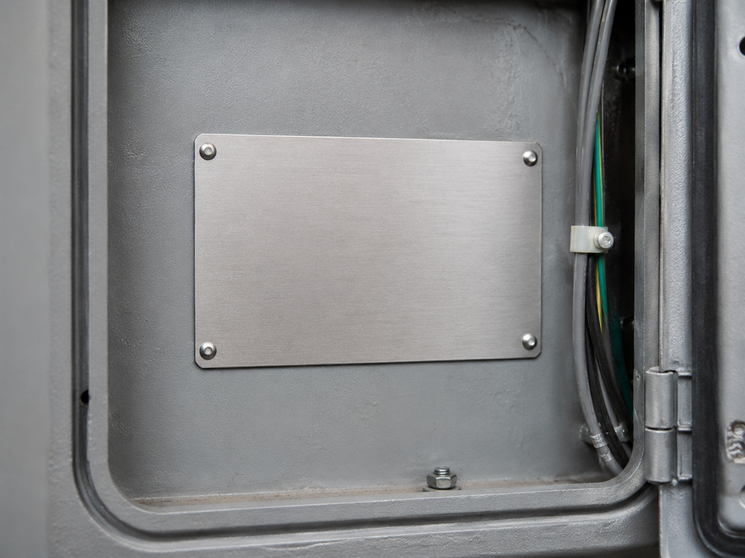
Before you measure anything, confirm your exact model. Check the spa's data plate (usually located inside the equipment access panel) for the model name and manufacture date. If the plate is worn or missing, your original sales paperwork or a serial number lookup with a Hot Spring dealer can confirm it. Getting the model right up front saves you from ordering a cover that is almost, but not quite, correct.
Taking Accurate Measurements
If your current cover is still roughly its original shape (not waterlogged, warped, or stretched from years of moisture), it is usually the easiest and most reliable measuring reference. If it has degraded significantly, measure the spa itself instead. Either way, you will want the following measurements.
Perimeter Dimensions
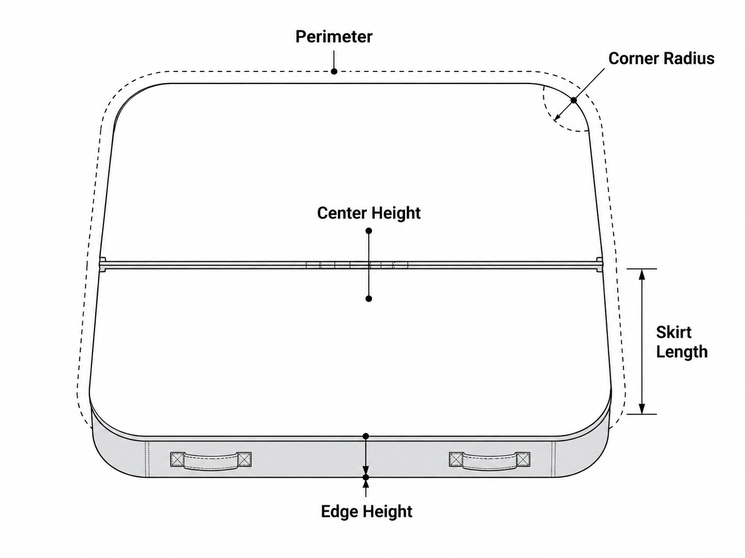
Measure the length and width of the spa or cover at its outer edge, and note the shape: square, rectangle with radius corners, round, or hex/octagon. Radius corners need their radius length and diameter measured separately, since even a half-inch mismatch here can leave a visible gap.
Center and Edge Height
Cover panels taper from a thicker center fold to thinner edges, so you will want both the center height and the outer edge thickness. This taper is part of how the cover sheds rain and snow instead of pooling water on top.
Skirt Length
The skirt is the vertical drop along the sides that helps block wind and light from getting underneath. Confirm the skirt length your model uses so the replacement hangs the way it should.
Foam Density: The Most Important Spec Most People Skip
Foam density, not thickness, is what actually determines insulation quality and how long a cover holds up. Covers are typically available in 1.0, 1.5, or 2.0 pound density foam. Lower-density foam is lighter and easier to lift, but it absorbs moisture more readily and can lose insulating performance within just a few seasons. Two-pound density foam provides the best insulation, strength, and lifespan, especially if you are in a cold climate or get significant snow. If you live somewhere with mild winters and mostly want a lightweight, easy-to-lift cover, 1.0 or 1.5 pound density is a reasonable trade-off. If your spa sees real winter weather, the upgrade to 2.0 pound foam pays for itself in lower heating costs over the cover's lifespan.
Construction Quality That Actually Matters
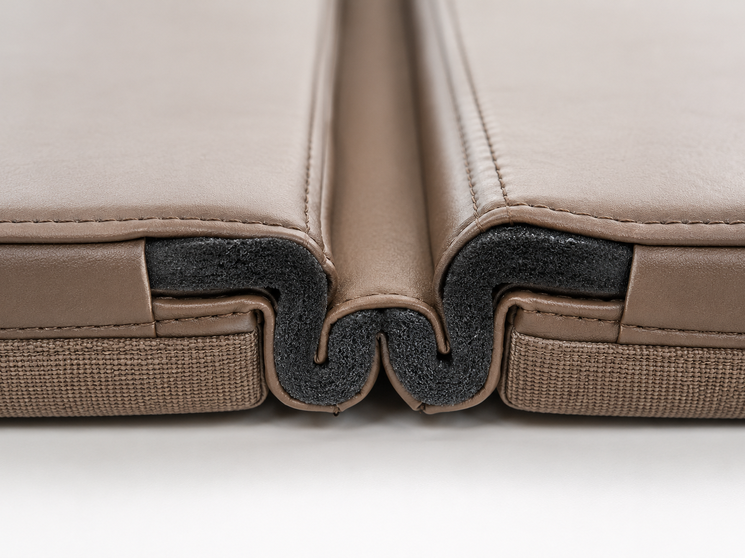
Beyond foam density, a few construction details separate a cover that lasts from one that fails early. Look for marine-grade vinyl in the 28 to 30 ounce range, which resists UV breakdown and stays flexible in cold weather instead of cracking. Double-stitched seams hold up far longer than single-stitched ones, particularly at stress points like the corners and the hinge fold. A continuous insulated gasket running the full length of the hinge (a feature on Hot Spring's own WeatherPro covers) closes one of the most common places heat escapes, since the center fold is where a lot of lower-quality covers develop a persistent gap over time.
Locking Straps and Safety Hardware
A replacement cover should include a minimum of four reinforced tie-down straps with locking hardware. Beyond keeping the cover secured in wind, locking straps are a genuine safety feature that helps keep unsupervised children and pets out of the spa. Confirm the strap and buckle hardware is corrosion-resistant, since these components see constant moisture exposure and are one of the first things to fail on a lower-quality cover.
Rollaway Covers Versus Traditional Foam Covers
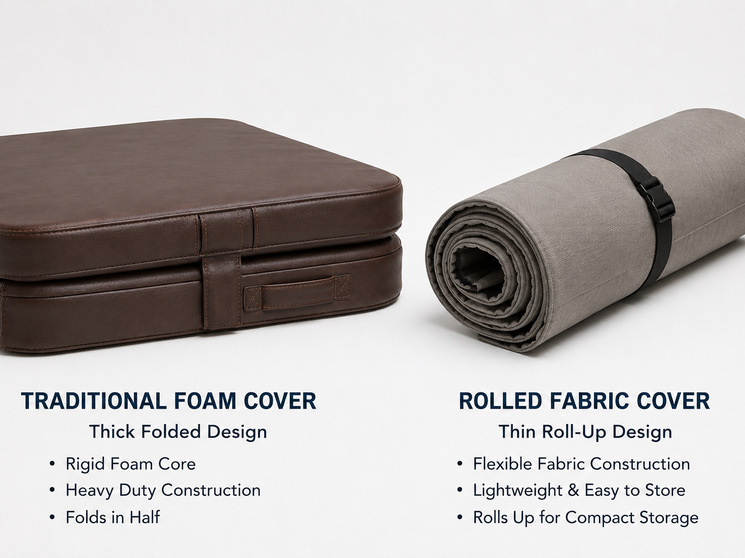
Some Hot Spring models offer a rollaway cover option as an alternative to a traditional rigid foam fold. Rather than lifting a heavy hinged panel off to one side, a rollaway design uses a flexible, waterproof material that rolls back on a frame, letting one person open the spa without needing to prop a folded cover against a wall or railing. This is worth considering if you soak alone often, have limited deck space to fold a cover into, or simply want an easier daily lift. The tradeoff is typically a modest step down in raw insulation value compared to a thick foam core, since the rolled material is thinner by design. For most owners, a traditional foam cover remains the better choice when maximum heat retention is the priority, while a rollaway option is worth the tradeoff for convenience if lifting a heavy cover has become a hassle.
Timing Your Order
Replacement covers are typically custom-made to your spa's exact dimensions, which means production and shipping take real time, often several weeks depending on the manufacturer's backlog. Ordering as soon as you notice your current cover degrading, rather than waiting until it fails completely, avoids a stretch of weeks running the spa uncovered and losing heat the whole time. This matters even more heading into fall, when cover makers tend to see a seasonal rush of orders from owners preparing for winter.
Warranty as a Quality Signal
Warranty length is a reasonably reliable proxy for how confident a manufacturer is in their own materials. Coverage against water absorption specifically (not just general defects) is worth checking for, since water absorption is the most common way covers fail before their time. A longer warranty against water absorption usually correlates with denser foam and better vapor barrier construction.
When to Replace Versus Repair
A small tear in the vinyl or a failed zipper can often be patched or replaced without buying a full new cover. But once you notice the cover has become noticeably heavier than when it was new, or it no longer holds its shape when lifted, that typically means water has already gotten into the foam core. At that point, a replacement is the more cost-effective choice, since waterlogged foam does not dry out or regain its insulating value.
Frequently Asked Questions
How do I know which foam density is right for my climate?
If you see regular heavy snow or extended sub-freezing temperatures, 2.0 pound density is worth the investment. For milder climates, 1.0 or 1.5 pound density balances weight and insulation reasonably well.
Can I use my old cover's measurements if it looks slightly warped?
Only if the warping is minor. Significant warping or shrinkage means the old cover is no longer a reliable size reference, and you should measure the spa itself instead.
How much can a new cover actually save on my energy bill?
Replacing a failing cover with a properly fitted, well-insulated one can meaningfully reduce heat loss, since the water surface is where the majority of heat escapes on a spa with a degraded cover.
What is the benefit of a continuous hinge gasket over a standard fold?
A continuous gasket closes the gap that commonly forms along the center fold over time, which is one of the more overlooked places heat quietly escapes on covers without this feature.
How many locking straps should a replacement cover have?
Plan on a minimum of four reinforced straps with locking hardware, positioned to keep the cover secure in wind and to help prevent unsupervised access to the spa.
Is a rollaway cover a good fit for a Hot Spring spa?
It can be, especially if you soak alone and want an easier daily lift. Just weigh the convenience against the modest reduction in insulation compared to a full-thickness foam cover.
How far in advance should I order a replacement cover?
As soon as you notice real degradation, ideally before fall, since custom covers take real production time and cover makers tend to see order backlogs heading into the colder months.
Ordering a Hot Spring replacement cover comes down to getting three things right: the exact model and year, accurate measurements including foam thickness and skirt length, and a foam density matched to your actual climate. Get those three correct, and the rest (vinyl quality, stitching, hardware) mostly falls into place with any reputable cover maker.